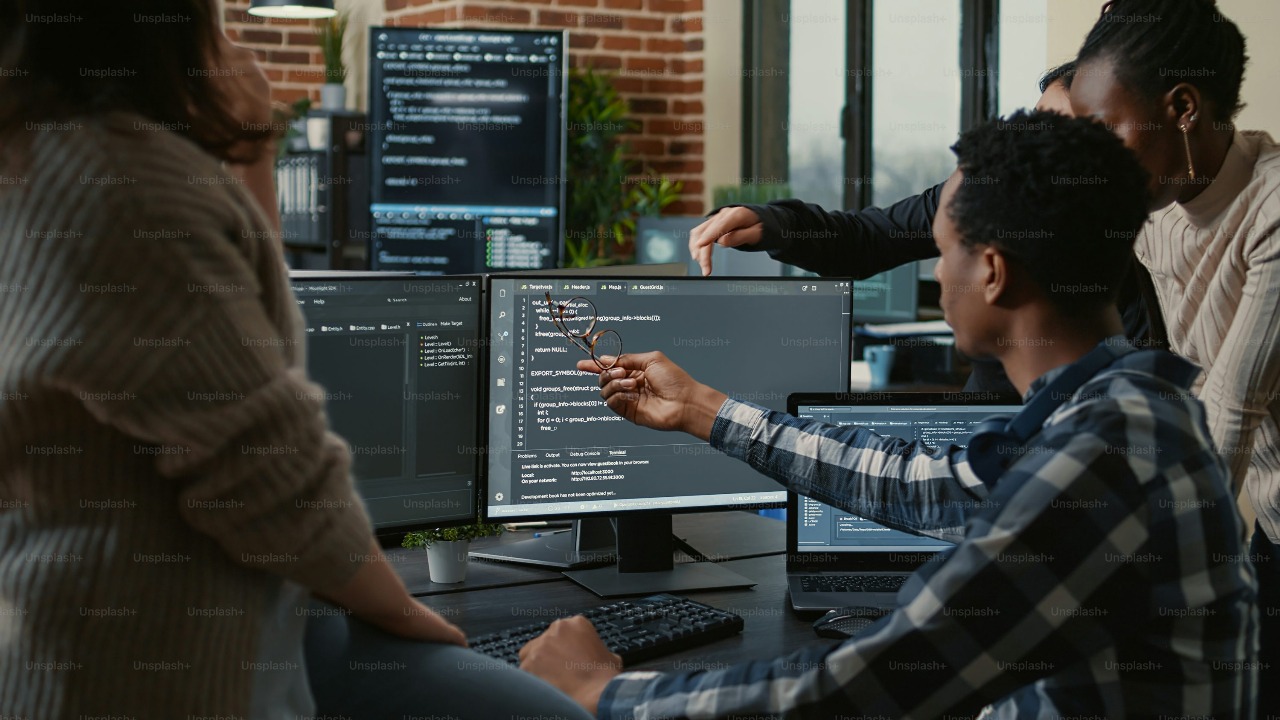
In 2026, the teams getting the most from AI are not the ones generating the most code. They are the ones using it to tighten the path from a business request to a working release. AI can draft a first version, summarize a pull request, or turn a meeting into acceptance criteria. It cannot decide what the product should be, and it cannot replace a review from someone who understands the domain.
Start with the work, not the tool. Useful AI assistance shows up in repeatable steps: writing test cases from a user story, explaining an unfamiliar module, or checking a change against the coding standards the team already agreed on. If a step has no owner after the model replies, the shortcut usually creates more cleanup later.
Keep humans on the decisions that carry risk. Architecture, data access, security, and customer-facing behavior still need a named reviewer. Teams that publish a short rule for what AI may draft and what a person must approve spend less time arguing about the tool and more time shipping.
Measure delivery, not prompt volume. The useful signals in 2026 are still familiar: lead time, escaped defects, and how often a release needs a rollback. If those numbers do not improve, the AI workflow is decoration.
AI-assisted delivery is a way to give experienced engineers more room for judgment. TTG uses it that way: faster drafts, clearer reviews, and releases that a business can stand behind.

At TTG, we specialize in providing cutting-edge software development services that empower businesses across industries to innovate, grow, and stay ahead in a rapidly evolving digital landscape.